Closer Than the Curb: Reinventing Delivery with Neighborhood Lockers
Today, we explore neighborhood locker and pickup point networks as a last‑yard strategy that brings parcels closer, reduces missed deliveries, and gives people control. Expect practical insights, human stories, and hard numbers on reliability, cost, and sustainability, all centered on making collection simple, safe, and delightfully predictable. Tell us where lockers or counters would help you most, and subscribe to follow new pilots, data snapshots, and neighborhood stories as we test, learn, and improve together.
From Doorbells to Door Codes

Instead of waiting behind a doorbell during vague windows, neighbors walk a short, predictable distance and open secure compartments with a code or app. The switch slashes anxiety about theft or noise, supports shift workers, and normalizes pickup as a quick, independent errand.
Metrics That Matter
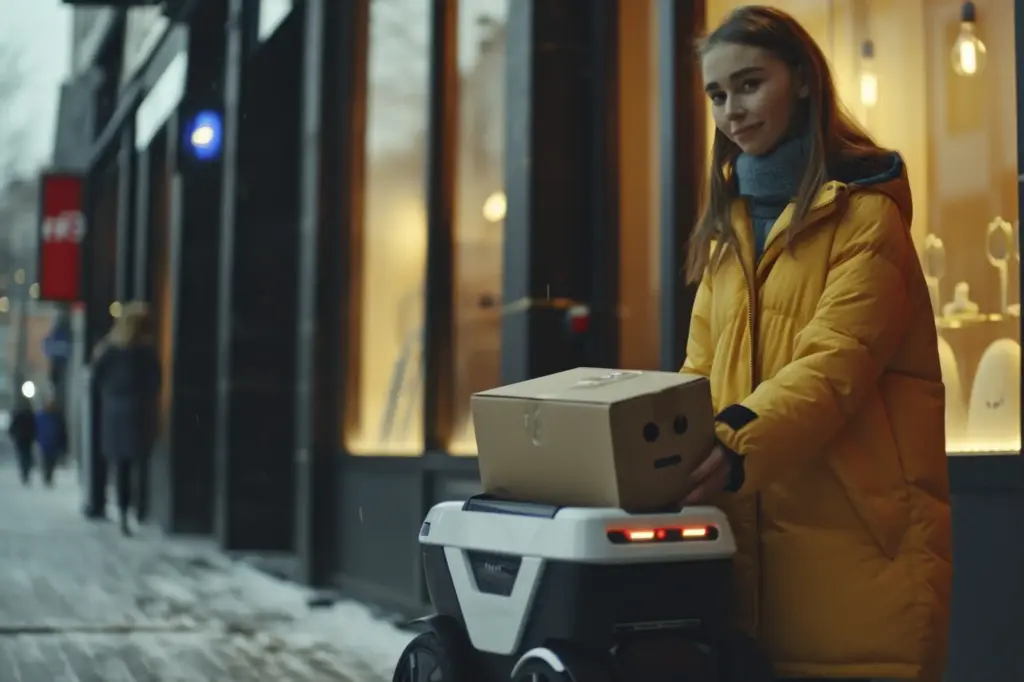
Measure what customers feel and couriers manage: first‑attempt success, route density, locker dwell time, compartment utilization, and net promoter shifts. When bundles replace door‑knocks, stops consolidate, fuel burns less, and parcels spend fewer hours vulnerable, raising trust while compressing cost per drop meaningfully.
Equity and Access Considerations
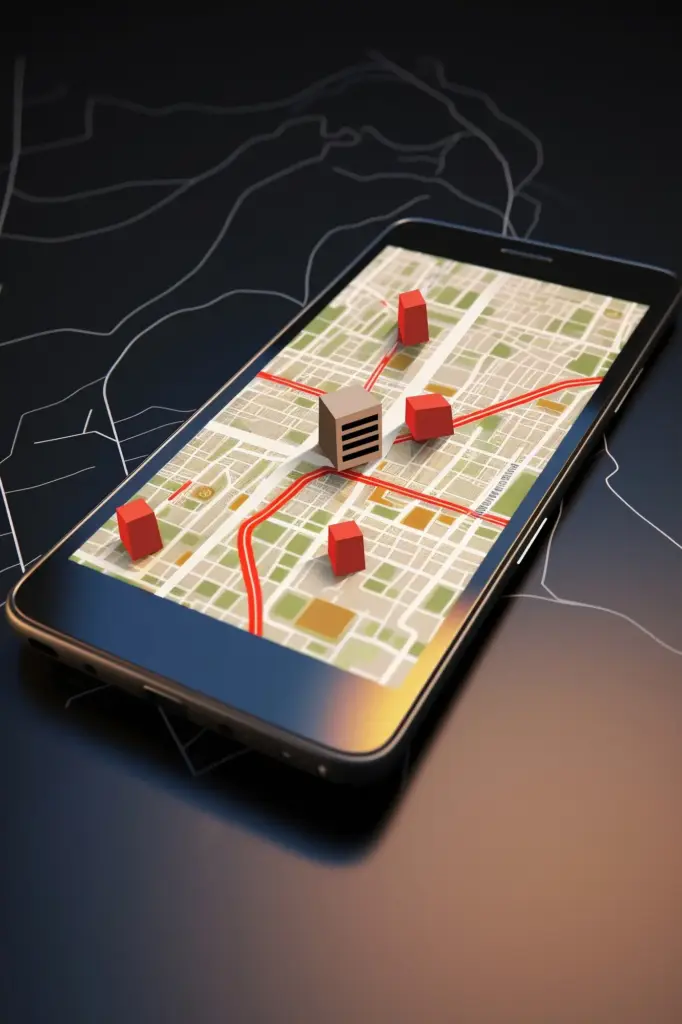
Coverage must serve renters, seniors, and people without smartphones as reliably as frequent online shoppers. Multilingual interfaces, audio prompts, curb cuts, ramps, clear lighting, and staffed counters at key hours ensure dignity and safety, turning collection spaces into inclusive, low‑friction neighborhood conveniences.
Mapping the Network, One Corner at a Time
Placement Heuristics That Actually Work
Favor corners with habitual traffic and clear sightlines over hidden alcoves. Pair lockers with errands people already make, like picking up staples or transit passes. Avoid noise‑sensitive residences, prioritize lighting, and test placements with pop‑up pilots before committing long‑term leases that restrict flexibility and adaptation.
Micro-Zones and Density Planning
Cluster sites into walkable micro‑zones that reflect actual living patterns, not arbitrary grids. Map schools, clinics, gyms, and bus stops, then place capacity where mornings and evenings cross. Balanced density reduces overflow, shortens detours, and keeps pickup times consistent even during volatile shopping surges.
Seasonality and Peak Resilience
Holiday spikes, weather events, and local festivals distort demand and routing. Build surge plans with temporary lockers, weekend staffing boosts, overflow agreements, and dynamic slotting. Communicate capacity early in apps and emails, steering shoppers to nearby alternatives before frustration appears at the door.
Delight at Pickup: Designing for People
Experience begins long before a compartment opens. Clear notifications, precise maps, and trustworthy time windows reduce uncertainty, while options for PIN, QR, or contactless NFC fit different comfort levels. App‑free pathways, helpful signage, and intuitive kiosk flows welcome everyone, turning errands into pleasantly brief routines.
Operational Excellence Behind the Doors
Behind every effortless pickup lies meticulous choreography. Couriers batch by micro‑zone, preload compartment mixes, and follow dynamic sequences that minimize backtracking. Clear SLAs, exception protocols, and cross‑carrier standards keep experiences consistent, while overflow playbooks and smart sensors prevent bottlenecks before customers ever feel a delay.
Greener Streets, Stronger Cities
Consolidated pickups shrink van miles, idling, and double‑parking at curbs. Pair lockers with e‑cargo bikes or microhubs, and emissions drop further. Fewer failed attempts mean fewer return trips, quieter mornings, and safer crossings, aligning retailers, carriers, and city planners around practical, measurable climate progress.
Sustainable Economics and Growth
Unit economics depend on utilization, compartment mix, bundling depth, and site costs. Revenue extends beyond delivery fees into advertising panels, return processing, and premium time windows. Partnerships with grocers, pharmacies, and transit authorities unlock footfall, while small merchants gain affordable click‑and‑collect without maintaining costly, inflexible inventory space.
The P&L Behind a Locker
Model fixed rent, depreciation, connectivity, cleaning, and field service, then stress‑test against utilization variance. Sensitivity analyses reveal breakeven thresholds for compartment turns per day. Transparent dashboards help site hosts and carriers share upside responsibly, aligning incentives toward density, uptime, and real, sustained customer satisfaction.
Merchant Value Propositions
Independent retailers win foot traffic, impulse purchases, and reciprocal goodwill by hosting pickup points. Offer returns intake, package tape, and recycling bins to extend dwell time. Promote co‑branded messages that spotlight local products, transforming utility cabinets into friendly storefronts that pay rent with community loyalty.
Scaling Without Losing the Neighborhood
Growth should feel familiar, not faceless. Maintain local naming, community boards, and recognizable partners while standardizing equipment and software. Invite feedback loops through QR surveys and meet‑the‑courier events, proving expansion can preserve character and trust even as coverage widens across the map.
All Rights Reserved.