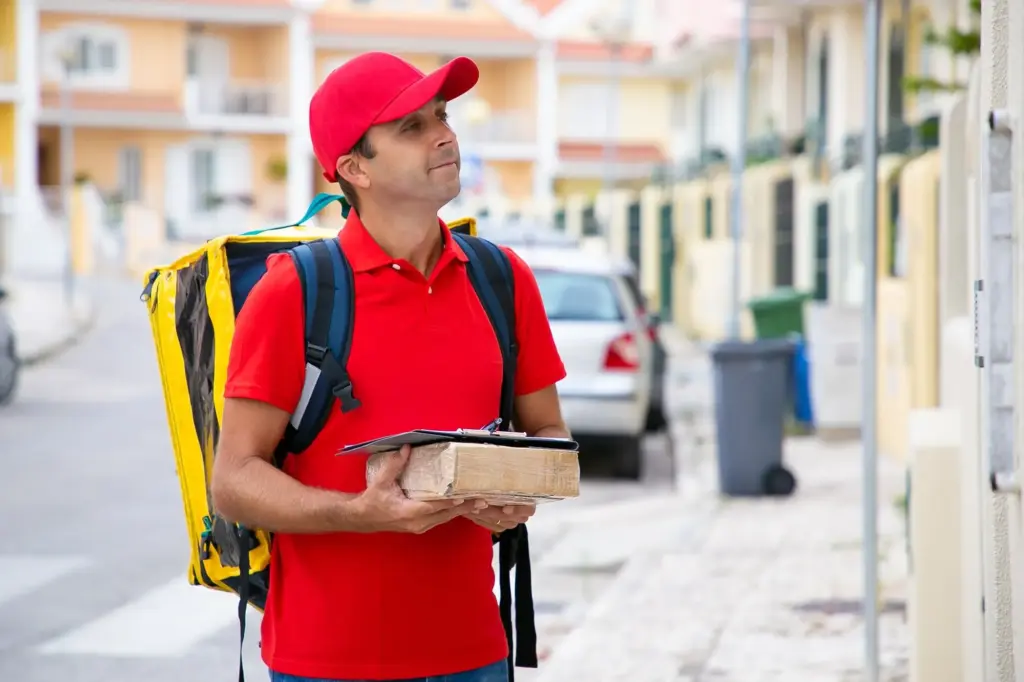
Designing Speed Within Walking Distance

Today we explore Hyperlocal Delivery Network Blueprints, translating street corners, storefronts, and rider routines into a living system that delivers fast, fair, and sustainable results. Expect practical frameworks, cautionary tales, and field-tested checklists you can adapt tomorrow. Share your block’s quirks in the comments so we can refine playbooks together.

Streets, Blocks, and the Five-Minute Radius

Great networks begin with honest maps of human movement, not abstract lines. We carve micro-zones by walking the route, timing crosswalks, and noting elevator delays and curb chaos. In one pilot, rain extended crossings by minutes, shattering promises. Build buffers, annotate bottlenecks, and invite neighbors to validate assumptions.

Tiny Hubs, Big Footprints of Reliability

Small facilities win when they mirror neighborhood rhythms. Choose sites where couriers can stage safely, riders can recharge, and shelves breathe. One bodega backroom beat a costly warehouse because keys, trust, and power outlets already existed. Keep noise low, negotiate with neighbors, and track throughput ruthlessly.

People-Powered Miles: Feet, Bikes, and Beyond

A brilliant schedule wastes money if the street toolset is wrong. Balance walkers for lobbies, e-bikes for bridges, and occasional cars for bulk, while preventing idle congestion. Safety gear, charging discipline, and weather rules matter. Tell us which modality thrives on your block and why it wins.

Walking beats wheels sometimes

In elevator-heavy zones, walkers outran bikes by avoiding lockups, stair carries, and curb hunts. Equip with compact totes, lobby etiquette scripts, and digital badges. Rotate routes to reduce repetitive strain. The surprise: fewer spills, happier concierges, and better upsell moments when couriers become familiar faces.


E-bikes as the urban equalizer

Standardize battery types, charging logs, and wet-weather braking checks. Provide ponchos that actually breathe. Partner with repair shops for overnight triage. In our waterfront sector, e-bikes halved bridge times and cut noise complaints. Post-storm, swapping brake pads preemptively avoided skids, preserving morale and insurance premiums alike.

The Orchestration Layer: Dispatch That Listens

{{SECTION_SUBTITLE}}

Dynamic batching without broken promises

Define maximum hold times per zone and product type, then simulate impact on melt risk and queue lengths. A ten-second error compounds into angry chats. Set guardrails, surface tradeoffs in the UI, and let operators override with reason codes that fuel tomorrow’s tuning models.

Courier status that means something

Replace vague available states with specific modes: at curb, in lobby, queued at elevator, charging battery, bathroom break. Encourage truthful toggles with fair pacing and break norms. In trials, reality-rich statuses improved ETAs notably, and reduced supervisor pings because everyone finally shared the same picture.

Reliability Customers Can Feel

Promises win hearts only when backed by transparent timelines and calm recovery. Design messages that explain tradeoffs, acknowledge delays before frustration peaks, and celebrate early arrivals tastefully. After adding honest maps to order tracking, cancellations dropped, and tips rose. Invite readers to share scripts that earned forgiveness.

Unit Economics Without Losing the Sidewalk

Winning models protect both margins and neighborhoods. Measure contribution by order, including curb minutes, battery cycles, packaging seconds, and goodwill costs. Density flywheels beat endless discounts. Share your calculator and we’ll trade ours. Together we can scale speed while preserving quiet nights, cleaner air, and safer crossings.